What We Wish We Knew Before Our First Camping Trip

Looking back, our first camping trip went… fine.

Nothing caught on fire (that wasn’t supposed to).

Nothing broke beyond repair.

And we went home smiling.

But there are definitely a few things we wish someone had told us ahead of time.

You Don’t Need to Know Everything Before You Arrive

We spent way too much time researching and not nearly enough time relaxing. Camping isn’t something you master before you go — it’s something you learn by doing. Every camper figures things out along the way, usually through a mix of trial, error, and friendly advice from neighbors. It’s okay to arrive not knowing exactly what you’re doing. That’s normal.

Setup Always Takes Longer Than You Think

No matter how prepared you feel, setup takes longer the first time. Things don’t unfold the way you imagined. Something will be upside down. Something will be missing. And something will need adjusting twice. That’s not a sign you’re doing it wrong — it’s just part of the process. Slow down. Take breaks. There’s no prize for finishing first.

You’ll Overpack — and That’s Fine

First trips come with a strong urge to bring everything. Extra clothes. Extra tools. Extra “just in case” items. By the end of the trip, you’ll realize you used about half of it — and that’s okay. Overpacking is how you learn what actually matters. Next time, you’ll pack smarter.

Campfires Are Better When They’re Simple

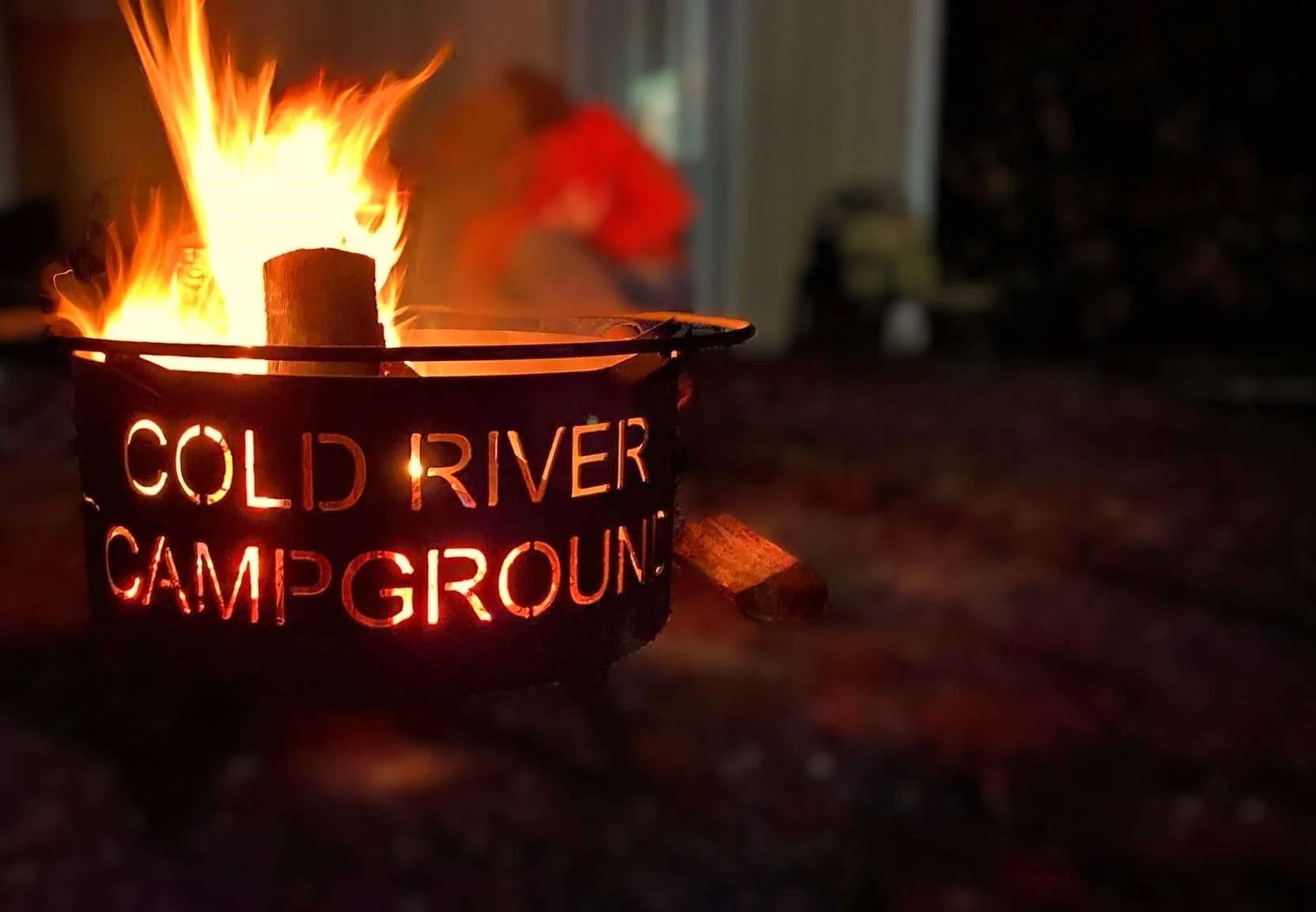
We thought we needed a big, impressive fire. What we really needed was a small, steady one that let us sit, talk, and relax. Campfires aren’t about size — they’re about atmosphere. Less wood, more calm.

Food Doesn’t Have to Be Fancy

We tried to cook like we were hosting a cooking show. Camping meals work best when they’re easy, familiar, and flexible. Simple food means more time to enjoy being outside and less time cleaning up. And somehow, everything tastes better anyway.

Weather Will Surprise You (Every Time)

No matter how carefully you check the forecast, the weather will do something unexpected. Cold nights. Warm afternoons. A little rain. Once we stopped fighting it and started working with it — extra layers, a good attitude — everything felt easier.

Everyone Around You Was New Once Too

This might be the biggest thing we wish we knew. That confident camper across the way? They were new once. The person giving advice? They learned the hard way too. Campgrounds aren’t full of experts judging beginners. They’re full of people who remember being beginners and are usually happy to help.

You Don’t Need to Fill the Schedule

We thought we needed to “do” camping. Turns out, sitting quietly was often the best part. There’s no requirement to stay busy. Some of the best moments happen when you’re doing very little at all.

By the End of the Trip, You’ll Feel Different

Something changes over a few days outdoors.

You sleep better.

You breathe easier.

You feel more present.

Even with the small challenges, camping has a way of leaving you lighter than when you arrived.

Our Biggest Takeaway

We wish we knew that camping wasn’t about getting it right. It was about showing up, slowing down, and letting the experience unfold. And if we could tell our first-trip selves one thing, it would be this: Relax. You’re doing better than you think.

New Camper Tips: A Few Helpful Things to Know Before You Settle In

If you’re new to camping, welcome again — and don’t worry, you don’t need to memorize anything before you arrive.

That said, a few gentle tips can make your first camping experience smoother, more comfortable, and a lot more enjoyable. Think of this as friendly advice, not instructions.

  1. Don’t Rush Setup

One of the most common new-camper mistakes is trying to get everything done immediately.

There’s no timer.

No one’s watching.

And nothing needs to be perfect.

Take your time setting up. Breathe. Get the basics done first, then fill in the details later. Camping works best when you move a little slower than normal life.

  1. Bring Fewer Things Than You Think You Need

Everyone overpacks the first time — it’s practically a tradition.

You don’t need:

  • Every kitchen gadget
  • Multiple backup plans for every scenario
  • An answer for every “what if”

Most campgrounds are close enough to stores, and other campers are famously resourceful. If you forgot something, you’ll figure it out.

  1. Ask Questions Early (It’s Encouraged)

If you’re unsure about hookups, fire rules, quiet hours, or where something is — ask.

Campground staff would much rather answer a simple question than have you feel unsure. And fellow campers are often happy to help too.

There’s no such thing as a “new camper question.” Everyone started somewhere.

  1. Fires Are Great — When They’re Simple

You don’t need a roaring bonfire to enjoy a campfire.

Start small.

Use dry wood.

Keep it manageable.

A quiet fire is often better than a big one, especially for relaxing evenings. And if you’ve never built one before? That’s okay. Someone nearby probably has.

  1. Keep Food Simple and Flexible

Camping meals don’t need to be impressive.

Easy meals = less stress = more time to enjoy being outside.

Plan for:

  • A few reliable favorites
  • Simple breakfasts
  • One or two fun “camp meals”

And remember: everything tastes better outside anyway.

  1. Respect the Space — Yours and Everyone Else’s

Campgrounds work best when everyone gives each other a little room.

That usually means:

  • Keeping music low
  • Watching noise late at night
  • Giving neighboring sites space

A friendly wave goes a long way. Courtesy is the real campground currency.

  1. Weather Happens — Roll With It

Rain happens. Wind happens. Cold mornings happen. That doesn’t mean the trip is ruined. Some of the best camping memories come from unexpected weather — as long as you stay flexible. Extra layers, a sense of humor, and a hot drink solve most things.

  1. Don’t Try to Do Everything

You don’t need to explore every trail, attend every event, or stay busy all day.

Some of the best camping moments are simply sitting with coffee, watching the light change or just listening to the woods.

If you’re relaxing, you’re doing it right.

  1. You’ll Learn Fast — Promise

By the end of your first trip, you’ll already know:

  • What you’d pack differently
  • What worked great
  • What you’ll laugh about later

Camping has a way of teaching gently.

  1. Enjoy Being New

There’s something special about your first few camping trips. Everything feels fresh. Every sound is new. Every small success feels big. Don’t rush past that stage. Enjoy it.

Camping Gets Easier — and Better

Camping doesn’t ask you to be an expert. It rewards curiosity, patience, and a willingness to slow down. And before you know it, you’ll be the one offering a tip, a smile, or a helping hand to someone else who’s new.

Welcome to camping — you’re doing just fine.

New to Camping? Welcome — You’re Going to Love It Here

If you’re new to camping, let’s get one thing out of the way right now:

You don’t need to know everything.

You don’t need the perfect setup.

And you definitely don’t need to feel like you’re “doing it wrong.” Everyone starts somewhere — even the campers who look like they’ve got it all figured out.

Camping Isn’t a Test (There Are No Grades)

Camping isn’t about perfection. It’s about showing up, settling in, and letting the experience meet you where you are.

You might forget something.

You might need help backing in.

You might burn the first pancake.

That’s not failure — that’s camping.

And the best part? Campgrounds are full of people who remember exactly what that felt like.

Campers Are Usually Happy to Help

One of the first things new campers notice is how helpful everyone is.

If you look confused, someone will ask if you need a hand.

If something won’t work, someone nearby has probably fixed that same thing before.

If you have a question, you’re never the only one who’s had it. This isn’t a place where people judge. It’s a place where people help — often before you even ask.

You Don’t Need Fancy Gear to Belong

It doesn’t matter if you’re:

  • In a tent
  • In a camper
  • In an RV you borrowed from a friend

Camping isn’t about what you bring — it’s about being here.

Some campers have been upgrading for years. Others are on their first trip. Everyone belongs around the same campfire.

Slow Down — You’re Doing It Right

One of the hardest adjustments for new campers is realizing… there’s nothing you need to rush.

You don’t have to fill every minute.

You don’t need a packed itinerary.

You’re allowed to sit, watch, and relax.

If you feel yourself slowing down, that means it’s working.

It’s Okay to Be Quiet (Or Social — Your Choice)

Some people come to camping to socialize.

Some come for peace and quiet.

Most people float somewhere in between.

There’s no pressure either way. A wave and a smile go a long way. Conversations happen naturally, not on a schedule.

You get to choose your comfort level.

Cold River Campground: A Place That Welcomes You In

At Cold River Campground, we love welcoming campers who are new to it all.

There’s no expectation to “know the ropes.” Just settle in, enjoy the wooded setting, and ask if you need anything. Help is close by — whether that’s from staff or a friendly neighbor.

Camping should feel comfortable, not intimidating.

You’ll Learn As You Go (Everyone Does)

Every trip teaches you something:

  • What you’ll pack differently next time
  • What worked better than expected
  • What made the trip memorable

Before long, you’ll be the one offering advice — or a spare lighter — to someone else who’s just starting out.

Welcome to Camping

Camping isn’t about being an expert.

It’s about fresh air, quiet moments, shared smiles, and realizing you don’t need much to feel good.

So take a breath.

Set up at your own pace.

And welcome — you belong here!

Seasonal Campers Are the Best Kind of Camping People

Every campground has great people.

But seasonal campers?

They take it to another level.

When you stay for a season, camping stops being a trip and starts becoming a way of life. And something interesting happens when people settle in instead of passing through — they slow down, open up, and create the kind of community that makes campgrounds feel like home.

Staying Long Enough to Really Know Each Other

Seasonal campers don’t just wave in passing.

They learn names.

They remember routines.

They notice when someone hasn’t been around for a few days.

Conversations aren’t rushed because there’s always another weekend coming. Friendships form naturally — over morning coffee, shared chores, or a simple “Need a hand with that?”

Helping Isn’t an Event — It’s Just What You Do

Among seasonal campers, lending a hand is second nature.

Someone needs help leveling? Tools appear.

A storm rolls through? Neighbors check in.

Something breaks? Someone’s already fixed that exact thing before.

There’s no scoreboard. No obligation. Just a shared understanding that campground life works better when people look out for each other.

Seasonal Campers Cook Like They Mean It

Seasonal camping brings out a special kind of pride in food.

These aren’t rushed meals. They’re recipes perfected over weekends. Cast iron that’s been seasoned all summer. Dinners that start small and turn into gatherings.

Seasonal campers don’t just cook — they share. And somehow, everything tastes better when it’s eaten outside with familiar faces nearby.

Stories That Build Over Time

Seasonal campers don’t swap stories once — they add chapters.

The story that started in May gets better by July. The mishap that wasn’t funny at the time becomes legendary by August. By the end of the season, everyone knows the punchline before it’s delivered.

These aren’t stories told for attention. They’re shared because they belong to the group now.

Pride Without Flash

Seasonal campers care about their sites — but not in a showy way. Chairs are placed just right.

Gardens get tended.

Little improvements appear week by week.

There’s quiet pride in creating a comfortable space and taking care of it. Not for approval — just because it feels good.

A Community That Welcomes Without Question

Seasonal campers understand that everyone was new once. They’re the first to wave.

The first to say hello.

The first to make someone feel like they belong.

That openness is what keeps campground culture alive. It’s how strangers become familiar faces and new campers decide to come back year after year.

Cold River Campground: Where Seasonal Campers Make the Difference

At Cold River Campground, seasonal campers are the heartbeat of the place.

They’re the ones who:

  • Set the tone
  • Create the community
  • Make the campground feel lived in, not temporary

The wooded sites and peaceful setting matter — but it’s the people who turn a season into something meaningful.

More Than Camping — It’s a Summer Life. Seasonal campers don’t just camp longer. They Build routines, form friendships and create a rhythm that carries them through the year. And that’s why seasonal campers aren’t just good campers. They’re the best kind of camping people.

Camping People Are the Best People (And We’ll Happily Argue About It)

Camping has great scenery. Fresh air. Campfires. Quiet mornings.

But let’s be honest — the real reason people fall in love with camping is the people.

There’s something about campground life that brings out the best in folks. Maybe it’s the slower pace. Maybe it’s the shared experience. Or maybe it’s the fact that when you’re living outside, pretending you’re fancy just feels unnecessary.

Whatever the reason, camping people are just… different.

The “Need a Hand?” Crowd

In the campground world, helping is automatic.

Slide-out stuck? Someone’s already walking over.

Forgot a tool? Three people have one.

Can’t get the fire started? Suddenly there’s a lighter, advice, and a story about the time they tried to use wet wood.

No sign-up sheet. No awkwardness. Just neighbors helping neighbors — because that’s how it’s always been done.

Everyone’s a Pretty Good Cook (Especially Over a Fire)

Camping food hits different.

Maybe it’s the cast iron. Maybe it’s the open air. Maybe it’s the pride. But somehow everyone at a campground makes the best version of whatever they’re cooking.

And campers love to share:

  • “You’ve gotta try this.”
  • “My grandma taught me this one.”
  • “I’ve been tweaking this recipe for years.”

Meals turn into gatherings. Gatherings turn into laughs. And nobody’s counting calories.

Stories That Only Make Sense at a Campsite

Campground conversations don’t need small talk.

You’ll hear:

  • Travel stories that start with “We weren’t even planning to stop there…”
  • RV mishaps that are hilarious now (not then)
  • Tips you didn’t know you needed
  • Advice you didn’t ask for — but end up appreciating

These stories don’t live on social media. They live around picnic tables and campfires, told slowly, with hand gestures and laughter.

“Wanna See the Trailer?”

This might be the most campground sentence of all time.

Campers genuinely love sharing:

  • Their setup
  • Their upgrades
  • Their clever storage solutions
  • The thing they fixed three times before it finally worked

Looking at someone’s trailer isn’t nosy — it’s a compliment. It’s how campers trade ideas, admire craftsmanship, and quietly think, “Oh, that’s smart.”

Travel Photos, No Filters Required

Campers take pictures — lots of them.

Not for likes. Not for algorithms. Just because the view was good and the moment mattered.

Photos get passed around like postcards:

  • “This was sunrise in Vermont.”
  • “That’s when we accidentally stayed an extra week.”
  • “Best spot we’ve ever found.”

Camping people collect places the way others collect souvenirs.

The Unwritten Rule: You Belong Here

One of the best things about camping culture is how welcoming it is. It doesn’t matter what you drive, what you camp in or how new you are. If you’re out there, you’re part of it. Campgrounds have a quiet way of making people feel like they belong — sometimes faster than anywhere else.

Cold River Campground: Where the Campers Make the Place

At Cold River Campground, it’s not just the wooded sites or peaceful setting that guests remember — it’s the people.

Neighbors who wave. Campfires that invite conversation. Campers who arrive as strangers and leave as familiar faces. Because in the end, camping isn’t just about where you stay. It’s about who you share it with.

Camping People Really Are the Best People

They lend a hand. They share food. They tell stories. They laugh easily. They live simply — at least for a while.

And once you experience that kind of community, it’s hard to vacation any other way.