Why Camping Is Cheaper, Safer, and Way Less Stressful Than a Resort or Cruise

Vacations are supposed to lower your blood pressure — not raise it when the credit card bill arrives.

Yet somehow, resorts and cruises have mastered the art of charging you thousands of dollars to wait in lines, share space with strangers, and follow a schedule you didn’t create.

Camping? Camping quietly laughs at all of that.

Let’s Talk Money (Because Camping Always Wins)

A resort vacation often starts with:

• A “great deal” that isn’t • A list of fees you didn’t read • A sinking feeling at checkout

Cruises are no better. You pay to board… then pay again to eat, drink, tip, upgrade, and breathe near a window.

Camping is refreshingly honest:

• You pay for your site • You bring your food • No one hands you a bill every time you blink

Your wallet doesn’t need a vacation after a camping trip.

No Crowds. No Elevators. No Buffet Line Olympics.

Resorts and cruises love crowds. Elevators full of strangers. Pools with more elbows than water. Buffets that look like a competitive sport.

Camping offers:

• Your own space • Fresh air instead of recycled air • Zero awkward elevator eye contact

You don’t need a wristband. Or a schedule. Or a plan to escape the pool area.

Safety Without the Fine Print

Cruises are basically floating cities. If something goes sideways, you’re… still floating. With thousands of people. Together.

Camping keeps things simple:

• You know where you are • You know who’s around you • You can leave whenever you want

No emergency drills. No muster stations. No wondering why the boat suddenly stopped moving.

You’re on Your Schedule — Not “Excursion Time”

On a cruise, someone blows a metaphorical whistle and tells you where to be next.

On a resort, you rush to “get your money’s worth” because that pool chair isn’t going to claim itself.

Camping says:

• Sleep in • Eat when you’re hungry • Do nothing without guilt

The only schedule is sunset.

Food You Actually Like (At Normal Prices)

Resorts and cruises are experts at charging gourmet prices for food that’s… fine.

Camping lets you eat:

• Exactly what you like • When you like • For grocery-store prices

Bonus: no dress code. Pajamas are perfectly acceptable dinner attire.

Fewer Surprises, More Control

With camping:

• No canceled ports • No overbooked excursions • No “Sorry, that’s not included” moments

You’re in control. If plans change, you change them. No customer service desk required.

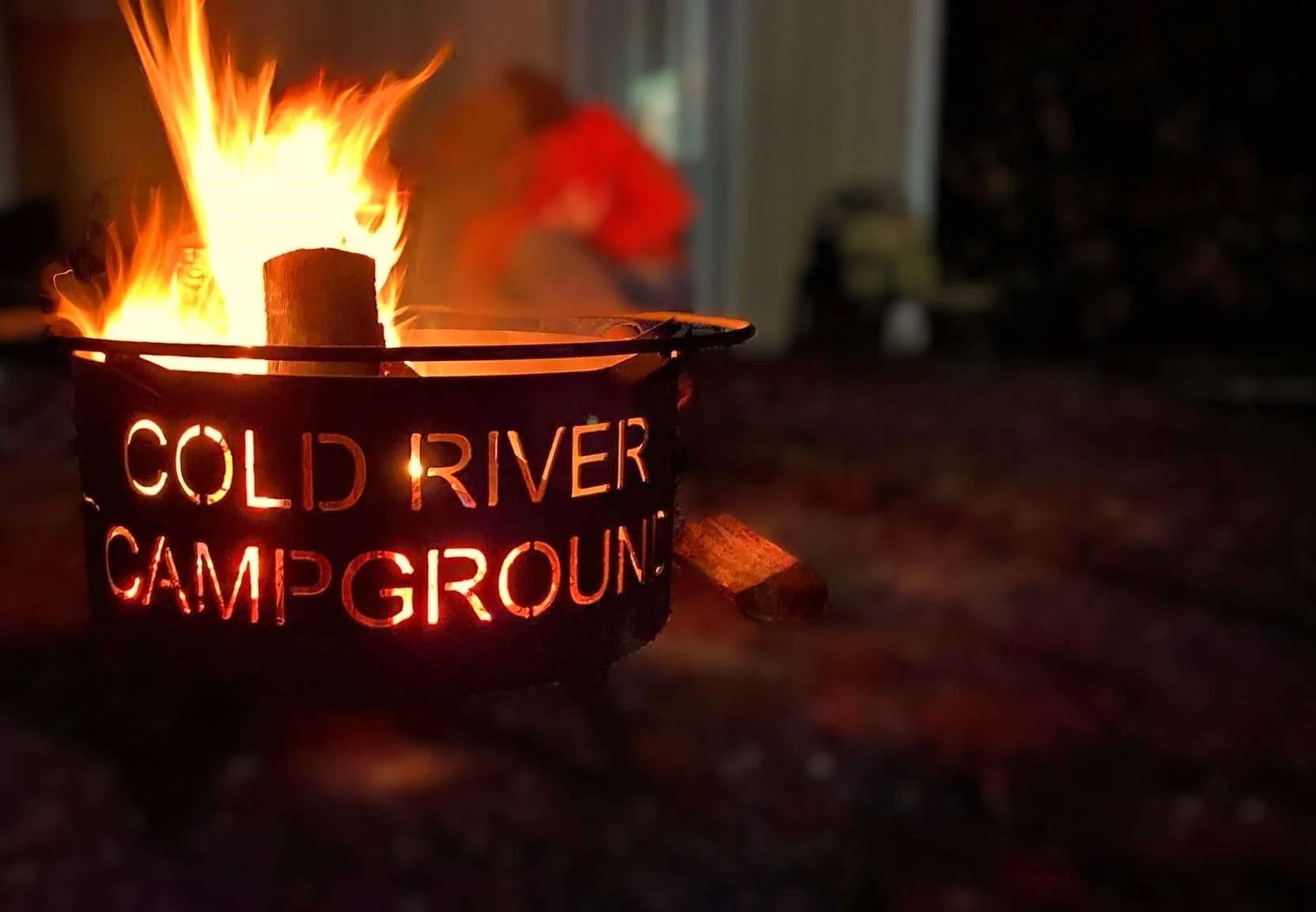
Cold River Campground: All the Good Parts, None of the Chaos

At Cold River Campground, you get a peaceful, family-owned campground in Maine surrounded by trees, open space, and room to breathe — without crowds, pressure, or resort pricing.

No megaphones.

No hidden fees.

Just camping the way it’s supposed to feel.

The Best Part? You Go Home Happy — Not Broke

Camping vacations tend to end with:

• Better sleep • Lower stress • A credit card that’s still speaking to you

It turns out you don’t need luxury to relax. You need space, freedom, and fewer people telling you what time dinner is. Camping checks all three boxes.

Why a Mom and Pop Campground Often Feels Better Than a Franchise

Big-name campgrounds have their place. They’re polished, predictable, and familiar.

But if you’ve ever stayed at a family-owned campground, you know there’s a difference you can feel almost immediately — and it has nothing to do with how many amenities are listed on a brochure. It’s about people. Pace. And the feeling that you’re a guest, not a transaction.

What Is a Mom and Pop Campground?

A mom and pop campground is typically family-owned and independently operated, not part of a national franchise or corporate chain. Decisions are made on-site, by people who are personally invested in the land, the campground, and the guests who stay there.

These campgrounds often grow slowly, thoughtfully, and with care — shaped by experience rather than a corporate checklist.

You’re Treated Like a Guest, Not a Reservation Number

At franchise campgrounds, staff often rotate, policies come from headquarters, and interactions can feel… efficient.

At a mom and pop campground:

  • The owners are often on-site
  • They remember repeat guests
  • They care how your stay actually went

When something needs attention, you’re not submitting a ticket. You’re talking to the person who can fix it — and who genuinely wants to.

That personal connection creates a warmer, more relaxed camping experience.

Quieter, Calmer, and Less Rushed

Many franchise campgrounds are designed for high volume. More sites. More traffic. More activity.

Family-owned campgrounds tend to prioritize:

  • Space between sites
  • Natural surroundings
  • A slower, more peaceful pace

If you’re looking for quiet camping, time to unwind, or a more traditional camping experience, mom and pop campgrounds often deliver that naturally — without needing to advertise it.

Thoughtful Rules, Not Corporate Policies

Franchise campgrounds rely on standardized rules that apply everywhere, whether they make sense or not.

Independently owned campgrounds create rules based on:

  • The land
  • The guest experience
  • What actually works in that location

That often means a more reasonable, flexible approach — one focused on courtesy and common sense rather than enforcement.

A Stronger Sense of Community

Mom and pop campgrounds tend to attract campers who value: Respect, Quiet enjoyment and Community over chaos.

Seasonal campers know each other. Weekend guests feel welcomed. Campfires turn into conversations instead of background noise. It’s not forced. It’s organic. And it’s one of the reasons people return year after year.

Supporting Local Matters — Even on Vacation

Choosing a family-owned campground means your stay supports a local business, not a distant corporate office.

That money stays closer to home:

  • Supporting local workers
  • Reinvesting in the campground
  • Contributing to the surrounding community

For many campers, that matters just as much as the destination. Cold River Campground: Independently Owned, Intentionally Different Cold River Campground is a family-owned campground in Maine, shaped by people who live here, work here, and care deeply about the experience they provide.

There’s no corporate playbook. Just thoughtful decisions, well-maintained grounds, wooded campsites, and a focus on creating a calm, welcoming place to camp.

Because when camping feels personal, it feels better.

Sometimes Smaller Really Is Better

A mom and pop campground won’t try to be everything for everyone. Instead, it focuses on doing a few things well: Peace, Comfort, and Care. And for many campers, that’s exactly what they’re looking for.

Why Wooded Campsites Feel More Relaxing

Forest camping naturally reduces noise, visual clutter, and distraction. Leaves replace traffic sounds. Sunlight filters through branches instead of reflecting off pavement. Even short walks through wooded paths can feel grounding.

This is one reason RV camping in Maine is so popular among people looking to relax, recharge, and reset — especially when the campground itself is surrounded by trees.

Guests often report:

  • Better sleep
  • A calmer mindset
  • Less urge to check phones or screens

Those aren’t accidents. They’re outcomes of spending time in nature.

Camping in Maine Isn’t Just a Vacation — It’s a Reset Button

Camping offers a rare pause from modern life. Forest camping goes one step further by creating an environment that actively supports mental wellness.

At Cold River Campground, the forest does the work:

  • No schedule required
  • No agenda needed
  • No pressure to “do” anything

You bring a chair. The trees bring the calm.

Mental Health Benefits of Forest Camping in Maine

Whether you’re planning a weekend trip or a longer stay, camping in Maine’s forests provides a natural way to support mental health and overall well-being. It’s not about escaping life — it’s about giving your mind the space it needs to breathe.

And when it’s time to head home, that calm tends to stick around longer than expected.

Wooded Campsites Are Quieter by Design

Trees don’t just block views — they absorb sound.

In wooded campgrounds, leaves and vegetation help dampen noise from neighboring sites, nearby roads, and general campground activity. Conversations fade faster. Engines sound farther away. Even footsteps feel quieter.

This is one reason forest camping in Maine is so appealing to guests looking to truly relax. The environment itself encourages calm without needing strict rules or enforced quiet hours.

Why Peaceful Campgrounds Help You Relax Faster

Many campers notice they unwind more quickly in wooded areas. That’s because forests reduce sensory overload.

Instead of:

  • Bright open spaces
  • Constant movement
  • Hard surfaces reflecting sound

You get:

  • Filtered sunlight
  • Gentle motion from leaves and branches
  • Soft, natural surroundings

This kind of environment allows your mind to settle without effort — which is especially valuable for people escaping busy workweeks or packed schedules.

Cold River Campground: Wooded Sites That Feel Like Your Own Space

At Cold River Campground, many campsites are naturally wooded, offering shade, privacy, and a quieter experience without feeling remote or disconnected.

Tree-lined areas throughout the campground help create:

  • More personal campsite experiences
  • Peaceful walking paths
  • A relaxed, unhurried atmosphere

It’s the kind of place where you can sit outside without feeling on display — whether you’re reading, cooking, or just watching the day pass.

Privacy Without Isolation strikes the perfect balance. You’re not isolated, but you’re not crowded either. You’re part of a campground community while still having space to breathe.

That’s why so many guests return to campgrounds in Maine year after year. The experience feels calmer, more grounded, and easier to enjoy — especially for couples, families, and seasonal campers.

Peace Is a Feature, Not a Luxury

Privacy and peace aren’t extras. They’re part of what makes camping restorative. When campsites are surrounded by trees, relaxation comes naturally. You don’t have to search for quiet — it’s already there, woven into the landscape. Sometimes the best campground amenity isn’t something built at all. It’s what was already growing there.

Why Forest Camping in Maine Is So Good for Your Mental Health

If you’ve ever felt calmer the moment you arrived at a wooded campground, there’s a reason for that — and science backs it up.

Maine camping, especially in forested areas, offers more than a change of scenery. According to Harvard Health, spending time around trees and green spaces has proven benefits for mental health and overall well-being. Reduced stress, improved mood, and better focus are all linked to time spent in nature.

In short: your brain was built for the forest.

What Harvard Health Says About Mental Health and Nature

Harvard Health research shows that exposure to trees and green spaces helps:

  • Lower stress hormones
  • Reduce anxiety and mental fatigue
  • Improve emotional balance and mood

One widely cited finding suggests that as little as two hours per week in nature can positively impact mental health. That time doesn’t need to involve strenuous activity — simply being present in a natural environment matters.

This explains why forest camping feels restorative, even when you’re doing very little.

Cold River Campground: A True Forest Campground in Maine

Cold River Campground is a forest campground in Maine, not a wide-open field with a few decorative trees. Many campsites are naturally wooded, offering shade, privacy, and a sense of calm that’s hard to replicate elsewhere.

Tree-lined sites, quiet wooded areas, and natural green spaces throughout the campground create an environment that aligns perfectly with what research says we need more of — time in nature without constant stimulation.

You don’t have to drive deep into the wilderness to experience it. You simply step outside your RV or tent.