
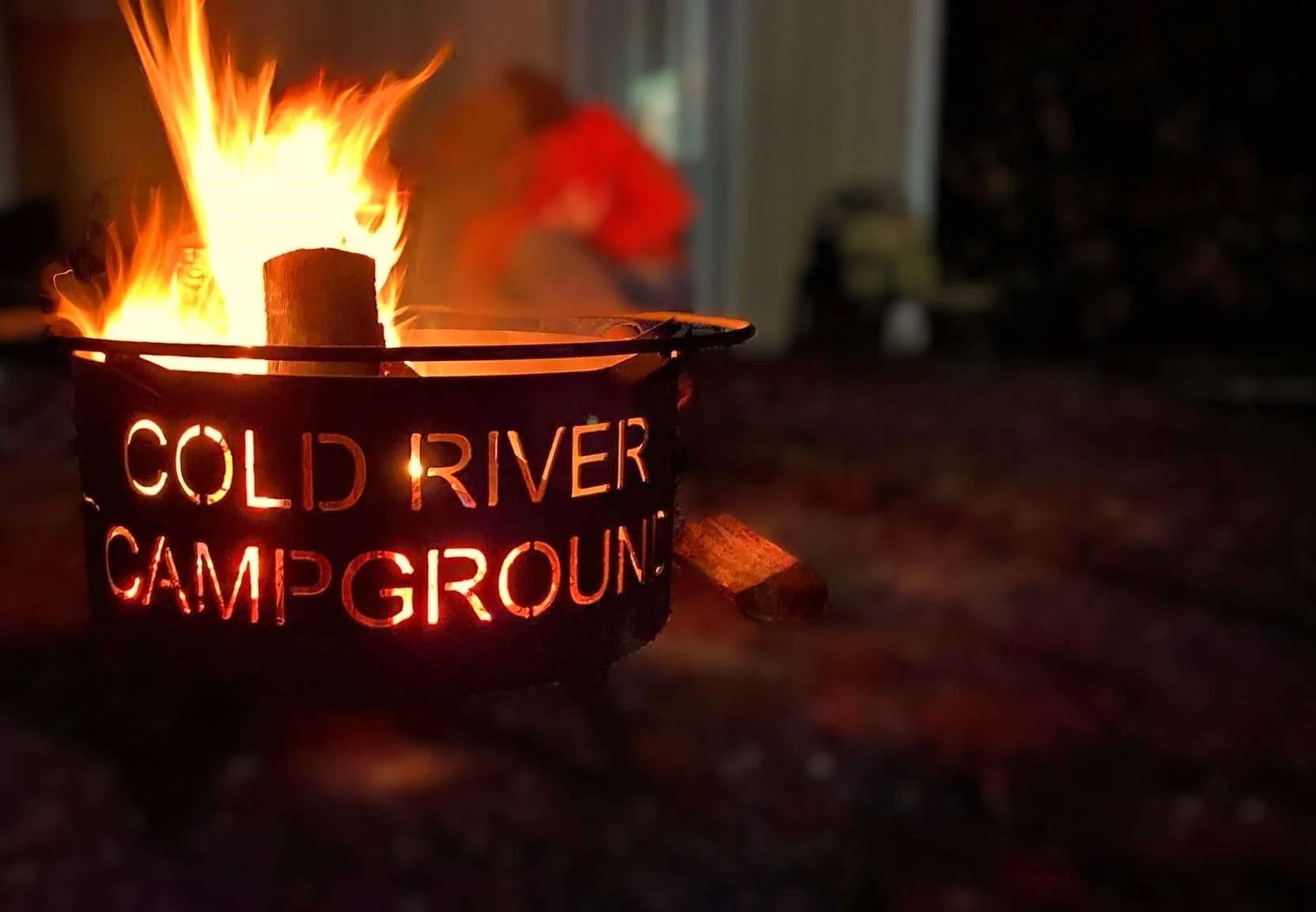
Why a Mom and Pop Campground Often Feels Better Than a Franchise

Big-name campgrounds have their place. They’re polished, predictable, and familiar.

But if you’ve ever stayed at a family-owned campground, you know there’s a difference you can feel almost immediately — and it has nothing to do with how many amenities are listed on a brochure. It’s about people. Pace. And the feeling that you’re a guest, not a transaction.

What Is a Mom and Pop Campground?

A mom and pop campground is typically family-owned and independently operated, not part of a national franchise or corporate chain. Decisions are made on-site, by people who are personally invested in the land, the campground, and the guests who stay there.

These campgrounds often grow slowly, thoughtfully, and with care — shaped by experience rather than a corporate checklist.

You’re Treated Like a Guest, Not a Reservation Number

At franchise campgrounds, staff often rotate, policies come from headquarters, and interactions can feel… efficient.

At a mom and pop campground:

  • The owners are often on-site
  • They remember repeat guests
  • They care how your stay actually went

When something needs attention, you’re not submitting a ticket. You’re talking to the person who can fix it — and who genuinely wants to.

That personal connection creates a warmer, more relaxed camping experience.

Quieter, Calmer, and Less Rushed

Many franchise campgrounds are designed for high volume. More sites. More traffic. More activity.

Family-owned campgrounds tend to prioritize:

  • Space between sites
  • Natural surroundings
  • A slower, more peaceful pace

If you’re looking for quiet camping, time to unwind, or a more traditional camping experience, mom and pop campgrounds often deliver that naturally — without needing to advertise it.

Thoughtful Rules, Not Corporate Policies

Franchise campgrounds rely on standardized rules that apply everywhere, whether they make sense or not.

Independently owned campgrounds create rules based on:

  • The land
  • The guest experience
  • What actually works in that location

That often means a more reasonable, flexible approach — one focused on courtesy and common sense rather than enforcement.

A Stronger Sense of Community

Mom and pop campgrounds tend to attract campers who value: Respect, Quiet enjoyment and Community over chaos.

Seasonal campers know each other. Weekend guests feel welcomed. Campfires turn into conversations instead of background noise. It’s not forced. It’s organic. And it’s one of the reasons people return year after year.

Supporting Local Matters — Even on Vacation

Choosing a family-owned campground means your stay supports a local business, not a distant corporate office.

That money stays closer to home:

  • Supporting local workers
  • Reinvesting in the campground
  • Contributing to the surrounding community

For many campers, that matters just as much as the destination. Cold River Campground: Independently Owned, Intentionally Different Cold River Campground is a family-owned campground in Maine, shaped by people who live here, work here, and care deeply about the experience they provide.

There’s no corporate playbook. Just thoughtful decisions, well-maintained grounds, wooded campsites, and a focus on creating a calm, welcoming place to camp.

Because when camping feels personal, it feels better.

Sometimes Smaller Really Is Better

A mom and pop campground won’t try to be everything for everyone. Instead, it focuses on doing a few things well: Peace, Comfort, and Care. And for many campers, that’s exactly what they’re looking for.

New Camper Tips: A Few Helpful Things to Know Before You Settle In

If you’re new to camping, welcome again — and don’t worry, you don’t need to memorize anything before you arrive.

That said, a few gentle tips can make your first camping experience smoother, more comfortable, and a lot more enjoyable. Think of this as friendly advice, not instructions.

  1. Don’t Rush Setup

One of the most common new-camper mistakes is trying to get everything done immediately.

There’s no timer.

No one’s watching.

And nothing needs to be perfect.

Take your time setting up. Breathe. Get the basics done first, then fill in the details later. Camping works best when you move a little slower than normal life.

  1. Bring Fewer Things Than You Think You Need

Everyone overpacks the first time — it’s practically a tradition.

You don’t need:

  • Every kitchen gadget
  • Multiple backup plans for every scenario
  • An answer for every “what if”

Most campgrounds are close enough to stores, and other campers are famously resourceful. If you forgot something, you’ll figure it out.

  1. Ask Questions Early (It’s Encouraged)

If you’re unsure about hookups, fire rules, quiet hours, or where something is — ask.

Campground staff would much rather answer a simple question than have you feel unsure. And fellow campers are often happy to help too.

There’s no such thing as a “new camper question.” Everyone started somewhere.

  1. Fires Are Great — When They’re Simple

You don’t need a roaring bonfire to enjoy a campfire.

Start small.

Use dry wood.

Keep it manageable.

A quiet fire is often better than a big one, especially for relaxing evenings. And if you’ve never built one before? That’s okay. Someone nearby probably has.

  1. Keep Food Simple and Flexible

Camping meals don’t need to be impressive.

Easy meals = less stress = more time to enjoy being outside.

Plan for:

  • A few reliable favorites
  • Simple breakfasts
  • One or two fun “camp meals”

And remember: everything tastes better outside anyway.

  1. Respect the Space — Yours and Everyone Else’s

Campgrounds work best when everyone gives each other a little room.

That usually means:

  • Keeping music low
  • Watching noise late at night
  • Giving neighboring sites space

A friendly wave goes a long way. Courtesy is the real campground currency.

  1. Weather Happens — Roll With It

Rain happens. Wind happens. Cold mornings happen. That doesn’t mean the trip is ruined. Some of the best camping memories come from unexpected weather — as long as you stay flexible. Extra layers, a sense of humor, and a hot drink solve most things.

  1. Don’t Try to Do Everything

You don’t need to explore every trail, attend every event, or stay busy all day.

Some of the best camping moments are simply sitting with coffee, watching the light change or just listening to the woods.

If you’re relaxing, you’re doing it right.

  1. You’ll Learn Fast — Promise

By the end of your first trip, you’ll already know:

  • What you’d pack differently
  • What worked great
  • What you’ll laugh about later

Camping has a way of teaching gently.

  1. Enjoy Being New

There’s something special about your first few camping trips. Everything feels fresh. Every sound is new. Every small success feels big. Don’t rush past that stage. Enjoy it.

Camping Gets Easier — and Better

Camping doesn’t ask you to be an expert. It rewards curiosity, patience, and a willingness to slow down. And before you know it, you’ll be the one offering a tip, a smile, or a helping hand to someone else who’s new.

Welcome to camping — you’re doing just fine.

Rain or Shine: Rainy Day Activities for Campers Near Cold River Campground

Rain on a camping trip doesn’t have to mean “stuck under the tent.” In fact, rainy days often become some of the most memorable parts of a trip — full of adventure, discovery, and unexpected fun.

Here are great ideas to keep your campground stay exciting even when the skies are gray, including local Bangor, Maine indoor fun and cozy outdoor options.


☔ Run Errands and Have Fun in Bangor

Just a short drive from Cold River Campground, Bangor has plenty of activities that make rainy days feel like small adventures.

Indoor Museums & Learning Spots

  • Maine Discovery Museum – A multi-floor hands-on children’s museum with science, art, and engineering exhibits that delight both kids and adults.
  • Cole Land Transportation Museum – Explore historic vehicles and transportation displays — a fun way to learn and stretch your legs indoors.
  • Zillman Art Museum – Local art exhibitions offer a calm cultural experience on a cozy rainy day.
  • Maine Air Museum – Aviation history and interactive exhibits for curious minds.
  • Bangor Historical Society – Dive into local history and tales from the region (hours vary).
  • Hudson Museum – Explore anthropology and world cultures inside the University of Maine campus.

Interactive Entertainment & Activities

  • Bangor Escape Rooms – Test your puzzle skills with family or friends in themed escape challenges.
  • Urban Air Trampoline and Adventure Park – Burn off rainy-day energy with trampolines, climbing zones, and indoor fun.
  • G-Force Entertainment – Laser tag, axe throw, and arcade games keep all ages entertained.
  • The Sports Arena – Bowling, arcade games, and family fun indoors.
  • Family Fun Bowling Center – Classic bowling lanes and good times for a laid-back rainy afternoon.
  • Messology Maine – Indoor sensory and creative play (great for toddlers/kids).

☕ Cozy Campground Ideas That Don’t Require Sunshine

Even if you don’t want to drive into town, rainy weather is a perfect excuse for charming indoor campground moments:

🔥 Campfire Tales (Under a Canopy)

Rain or mist, a covered campfire area (or a well-placed tarp) turns into story time central. Swap fun memories, share past trip photos, or invent new campsite legends.

🎲 Games and Card Tournaments

Bring a favorite deck of cards, travel board games, or try a campground group game night — low prep, high laughs.

🍳 Rainy-Day Cooking Adventures

Try a new camp recipe you’ve been curious about. Rainy days are perfect for:

  • Dutch oven breads or desserts
  • Gourmet s’mores stations
  • Camp chili or stew simmering over coals

📸 Photo Share & Travel Stories

Pull out your travel pictures and share them with neighboring campers. People love showing off favorite spots, funny outtakes, and scenic shots from past trips. It’s like camping bingo for the soul.

📚 Library-Style Lounging (Yes, We’ve Got One!)

Rainy days are perfect for slowing down — and our fully stocked campground library makes it easy. Inside, you’ll find:

  • A variety of books for all ages
  • Board games and card games
  • Puzzles to pass the time
  • A collection of videos for relaxed, rainy afternoons

It’s a cozy spot to unplug, challenge your brain, or simply enjoy something low-key while the rain does its thing outside. Many campers wander in planning to stay for a few minutes… and end up lingering much longer than expected.

Sometimes the best rainy-day activity is just settling in and letting the day slow down with you.


☔ A Little Rain Never Hurt Anyone

Some campers treat rainy days like a detour — but in truth, they can become highlights of the trip. Whether you explore downtown Bangor or make cozy memories back at your campsite, rainy weather adds a layer of adventure, relaxation, and laughter.

And when the sun comes back out? You’ll be ready — refreshed, inspired, and maybe a little wiser about your next rainy-day activity. 🌦️

Why Forest Camping in Maine Is So Good for Your Mental Health

If you’ve ever felt calmer the moment you arrived at a wooded campground, there’s a reason for that — and science backs it up.

Maine camping, especially in forested areas, offers more than a change of scenery. According to Harvard Health, spending time around trees and green spaces has proven benefits for mental health and overall well-being. Reduced stress, improved mood, and better focus are all linked to time spent in nature.

In short: your brain was built for the forest.

What Harvard Health Says About Mental Health and Nature

Harvard Health research shows that exposure to trees and green spaces helps:

  • Lower stress hormones
  • Reduce anxiety and mental fatigue
  • Improve emotional balance and mood

One widely cited finding suggests that as little as two hours per week in nature can positively impact mental health. That time doesn’t need to involve strenuous activity — simply being present in a natural environment matters.

This explains why forest camping feels restorative, even when you’re doing very little.

Cold River Campground: A True Forest Campground in Maine

Cold River Campground is a forest campground in Maine, not a wide-open field with a few decorative trees. Many campsites are naturally wooded, offering shade, privacy, and a sense of calm that’s hard to replicate elsewhere.

Tree-lined sites, quiet wooded areas, and natural green spaces throughout the campground create an environment that aligns perfectly with what research says we need more of — time in nature without constant stimulation.

You don’t have to drive deep into the wilderness to experience it. You simply step outside your RV or tent.

Why Wooded Campsites Feel More Relaxing

Forest camping naturally reduces noise, visual clutter, and distraction. Leaves replace traffic sounds. Sunlight filters through branches instead of reflecting off pavement. Even short walks through wooded paths can feel grounding.

This is one reason RV camping in Maine is so popular among people looking to relax, recharge, and reset — especially when the campground itself is surrounded by trees.

Guests often report:

  • Better sleep
  • A calmer mindset
  • Less urge to check phones or screens

Those aren’t accidents. They’re outcomes of spending time in nature.

Camping in Maine Isn’t Just a Vacation — It’s a Reset Button

Camping offers a rare pause from modern life. Forest camping goes one step further by creating an environment that actively supports mental wellness.

At Cold River Campground, the forest does the work:

  • No schedule required
  • No agenda needed
  • No pressure to “do” anything

You bring a chair. The trees bring the calm.

Mental Health Benefits of Forest Camping in Maine

Whether you’re planning a weekend trip or a longer stay, camping in Maine’s forests provides a natural way to support mental health and overall well-being. It’s not about escaping life — it’s about giving your mind the space it needs to breathe.

And when it’s time to head home, that calm tends to stick around longer than expected.

Wooded Campsites Are Quieter by Design

Trees don’t just block views — they absorb sound.

In wooded campgrounds, leaves and vegetation help dampen noise from neighboring sites, nearby roads, and general campground activity. Conversations fade faster. Engines sound farther away. Even footsteps feel quieter.

This is one reason forest camping in Maine is so appealing to guests looking to truly relax. The environment itself encourages calm without needing strict rules or enforced quiet hours.

Why Peaceful Campgrounds Help You Relax Faster

Many campers notice they unwind more quickly in wooded areas. That’s because forests reduce sensory overload.

Instead of:

  • Bright open spaces
  • Constant movement
  • Hard surfaces reflecting sound

You get:

  • Filtered sunlight
  • Gentle motion from leaves and branches
  • Soft, natural surroundings

This kind of environment allows your mind to settle without effort — which is especially valuable for people escaping busy workweeks or packed schedules.

Cold River Campground: Wooded Sites That Feel Like Your Own Space

At Cold River Campground, many campsites are naturally wooded, offering shade, privacy, and a quieter experience without feeling remote or disconnected.

Tree-lined areas throughout the campground help create:

  • More personal campsite experiences
  • Peaceful walking paths
  • A relaxed, unhurried atmosphere

It’s the kind of place where you can sit outside without feeling on display — whether you’re reading, cooking, or just watching the day pass.

Privacy Without Isolation strikes the perfect balance. You’re not isolated, but you’re not crowded either. You’re part of a campground community while still having space to breathe.

That’s why so many guests return to campgrounds in Maine year after year. The experience feels calmer, more grounded, and easier to enjoy — especially for couples, families, and seasonal campers.

Peace Is a Feature, Not a Luxury

Privacy and peace aren’t extras. They’re part of what makes camping restorative. When campsites are surrounded by trees, relaxation comes naturally. You don’t have to search for quiet — it’s already there, woven into the landscape. Sometimes the best campground amenity isn’t something built at all. It’s what was already growing there.